Daftar ini isinya penemuan2 yang kabarnya pernah ada dan hilang ataupun dibredel, disembunyikan ataupun dilarang oleh pihak tertentu. TS yakin pasti bakal banyak yang skeptis di komen2nya. Beberapa diantaranya mungkin cuma teori konspirasi belaka, meski begitu, hal-hal dibawah ini menarik disimak, sekedar menambah info. Silakan dicek:
10. "Greek Fire"

Oleh: Kerajaan Byzantium
Yang suka maen game berbau sejarah mungkin tahu. Ini adalah senjata yang digunakan kerajaan Byzantium, terutama pada pertarungan di laut. Kabarnya api itu tetap hidup meski berada di air. Proses manufaktur dan bahan2 teknisnya benar-benar dirahasiakan oleh militer jaman itu. Bahan2 komposisinya kabarnya mengandung naftalene, kalsium oksida, sulfur, dll. Senjata ini kabarnya menjadi inspirasi dan cikal bakal flame-thrower modern.
9. Orgone
Oleh: Wilhelm Reich
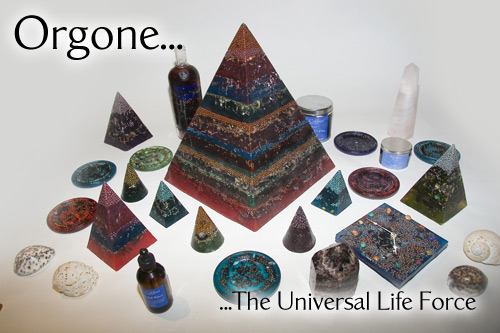
Yang satu ini aku pernah baca tritnya di Kaskus. Orgone menurut Reich adalah bentuk hipotetis dari energi yang dinyatakan sebagai gaya bioenergetic universal yang menghasilkan energi hidup yang berguna untuk terapi. Perangkat penghasil energi orgone sendiri telah dibuatnya dengan kombinasi dari kayu, besi dan material organik. Sampai 1950, perangkat tersebut diperjualbelikan. Namun FDA (BPOMnya Amerika), mengajukan protes akibat riset mengenai orgone yang tidak diapprove oleh banyak ilmuwan. Pengadilan mengabulkan, dan memerintahkan alat penghasil orgone untuk dimusnahkan, dan buku2 Reich terkait topik ini juga dibredel.
8. "Perpetual Motion"

Oleh: Viktor Schauberger
Gampangnya, alat ini kabarnya bisa menghasilkan kerja lebih besar dari energi yang dikonsumsinya (tentunya tidak mungkin melanggar hukum konservasi energi). Schauberger sebenarnya mengaku tidak membuat alat ini, ia mengaku menggunakan kekuatan natural dari bumi, namun gosip bahwa ia berhasil membuatnya gencar beredar. Setelah perang dunia ke-2, Schauberger ditangkap dan diinterogasi mengenai penelitiannya. Seluruh arsip kerja dan prototipnya disita.
7. Terapi ozon

Oleh: Beberapa ahli medis dan biokimia
Perangkat yang terkait dengan mekanisme ini sebenarnya banyak beredar. Beberapa dokter percaya ozon mempunyai kemampuan menyembuhkan. Namun ozon juga bersifat toksik dan dalam kadar tertentu berbahaya. Meski secara empirik terbukti bahwa ozon pernah mengurangi akibat beberapa penyakit, penggunaan ozon untuk terapi sangat dilarang di berbagai negara. Amerika bahkan melarang pemasaran, penggunaan, atau bahkan riset tentang manfaat klinis terapi ozon. Doktor yang menggunakannya terancam kehilangan lisensi medisnya.
6. Perangkat anti gravitasi

Oleh: Thomas Townsend Brown
Tahun 1956, Interavia, sebuah publikasi penerbangan mengabarkan bahwa Brown berhasil membuat progres yang substansial dalam riset propulsi elektro-gravitasi. Banyak proyek aerospace di Amerika yang juga melakukan penelitian serupa, dan sangat dirahasiakan. Brown sendiri berpendapat bahwa hasil kerjanya dapat menjelaskan mekanisme kerja 'piring terbang'. Riset Brown sangat populer dan diikuti oleh para amatir di seluruh dunia dengan membuat replikanya, dalam bentuk 'pengangkat' dengan sumber tenaga tegangan tinggi.
5. Perangkat fusi dingin

Oleh: Eugene Mallove
Mudahnya, fusi dingin adalah proses fusi nuklir dalam suhu setara suhu ruangan normal. Mallove adalah penulis buku Fire from Ice, yang berisi tentang report dan lanjutan penelitian Fleischmann-Ponn tentang fusi dingin. Kabarnya, penelitiannya dapat menghasilkan energi yang sangat besar dari proses tersebut. Namun, tampaknya penelitiannya dicemooh dan ditolak oleh banyak fisikawan mainstream. Mallove dibunuh tahun 2004 di Connecticut oleh orang tak dikenal. Kabarnya kematiannya itu terkait dengan hasil penelitiannya.
4. Sel bahan bakar air

Oleh: Stanley Meyer
Meyer berhasil mematenkan 9 paten terkait mobil tenaga airnya. Namun kemudian ia dituntut oleh investornya atas tuduhan penipuan berat, dan harus mengganti rugi sebesar $25,000. Saat kematiannya, autopsi menunjukkan ia meninggal akibat pembengkakan pembuluh darah. Para pendukungnya mengklaim bahwa ia dibunuh oleh korporasi minyak raksasa, pembunuh bayaran dari timur tengah dan Belgia, serta pemerintah Amerika, untuk menutupi penemuannya tersebut/
3. Mesin gempa bumi

Oleh: Nikola Tesla
Saat percobaan dengan salah satu osilatornya, Tesla dikabarkan membuat resonansi pada berbagai bangunan didekatnya, dan komplain ke polisi. Akibat dari guncangan besar yang dihasilkan, ia terpaksa menghancurkan alat dan menggagalkan eksperimennya. Topik ini pernah ada di Discovery Channel MythBusters, dimana fenomena yang dinamakan resonansi mekanis dites pada sebuah jembatan yang seharusnya tahan dari gaya sebesar itu. Saat osilator diaplikasikan, terbukti bahwa guncangan itu terjadi di jembatan, namun tanpa efek keretakan di tanah. Ini mungkin menjelaskan fenomena yang Tesla lakukan, mengingat zaman dahulu belum ada bangunan yang dibangun yang dapat terhindar dari resonansi seperti itu.
2. "Flexible Glass"

Oleh: Seorang inventor di zaman kaisar Tiberius
Ini adalah legenda mengenai penemuan menakjubkan di awal tahun Masehi. Kabarnya seorang pengrajin yang menciptakan teknik tersebut membuatkan kaisar mangkok yang terbuat dari kaca fleksibel, dan saat kaisar menjatuhkannya ke lantai, material tersebut hanya penyok, dan tidak pecah. Sang inventor kemudian membetulkannya dengan mudah menggunakan palu. Saat sang inventor berjanji bahwa hanya ia yang tahu teknik menciptakan material tersebut, ia dipenggal. Sang kaisar takut material seperti itu menjatuhkan nilai emas dan perak.
1. Chronovisor

Oleh: Bapa Marcello Pellegrino Ernetti
Tahun 1960, bapa Ernetti mengklaim berhasil menciptakan perangkat penglihatan lintas waktu, dinamakan Chronovisor, dan dikabarkan dapat melihat kejadian2 di masa lalu.
Menurut penjelasannya, energi dan suara yang dihasilkan suatu objek tersimpan di dalam lingkungannya. Penyetelan yang tepat dari Chronovisor dapat merekonstruksi energi tersebut menjadi gambar dan suara dari suatu event di masa lalu. Melalui layar itu, bapa Ernetti mengklaim melihat suatu penampilan puisi di massa Romawi kuno sebelum masehi oleh Quintus Ennius. Ia juga mengklaim melihat Kristus sekarat saat disalib. Sebelum meninggal tahun 1994, bapa Ernetti berkata bahwa ia dan semua yang terlibat dalam penelitian Chronovisor tersebut menghadiri sebuah pertemuan di Vatikan, dimana satu-satunya mesin Chronovisor tersebut dihancurkan.
10. "Greek Fire"
Oleh: Kerajaan Byzantium
Yang suka maen game berbau sejarah mungkin tahu. Ini adalah senjata yang digunakan kerajaan Byzantium, terutama pada pertarungan di laut. Kabarnya api itu tetap hidup meski berada di air. Proses manufaktur dan bahan2 teknisnya benar-benar dirahasiakan oleh militer jaman itu. Bahan2 komposisinya kabarnya mengandung naftalene, kalsium oksida, sulfur, dll. Senjata ini kabarnya menjadi inspirasi dan cikal bakal flame-thrower modern.
9. Orgone
Oleh: Wilhelm Reich
Yang satu ini aku pernah baca tritnya di Kaskus. Orgone menurut Reich adalah bentuk hipotetis dari energi yang dinyatakan sebagai gaya bioenergetic universal yang menghasilkan energi hidup yang berguna untuk terapi. Perangkat penghasil energi orgone sendiri telah dibuatnya dengan kombinasi dari kayu, besi dan material organik. Sampai 1950, perangkat tersebut diperjualbelikan. Namun FDA (BPOMnya Amerika), mengajukan protes akibat riset mengenai orgone yang tidak diapprove oleh banyak ilmuwan. Pengadilan mengabulkan, dan memerintahkan alat penghasil orgone untuk dimusnahkan, dan buku2 Reich terkait topik ini juga dibredel.
8. "Perpetual Motion"
Oleh: Viktor Schauberger
Gampangnya, alat ini kabarnya bisa menghasilkan kerja lebih besar dari energi yang dikonsumsinya (tentunya tidak mungkin melanggar hukum konservasi energi). Schauberger sebenarnya mengaku tidak membuat alat ini, ia mengaku menggunakan kekuatan natural dari bumi, namun gosip bahwa ia berhasil membuatnya gencar beredar. Setelah perang dunia ke-2, Schauberger ditangkap dan diinterogasi mengenai penelitiannya. Seluruh arsip kerja dan prototipnya disita.
7. Terapi ozon
Oleh: Beberapa ahli medis dan biokimia
Perangkat yang terkait dengan mekanisme ini sebenarnya banyak beredar. Beberapa dokter percaya ozon mempunyai kemampuan menyembuhkan. Namun ozon juga bersifat toksik dan dalam kadar tertentu berbahaya. Meski secara empirik terbukti bahwa ozon pernah mengurangi akibat beberapa penyakit, penggunaan ozon untuk terapi sangat dilarang di berbagai negara. Amerika bahkan melarang pemasaran, penggunaan, atau bahkan riset tentang manfaat klinis terapi ozon. Doktor yang menggunakannya terancam kehilangan lisensi medisnya.
6. Perangkat anti gravitasi
Oleh: Thomas Townsend Brown
Tahun 1956, Interavia, sebuah publikasi penerbangan mengabarkan bahwa Brown berhasil membuat progres yang substansial dalam riset propulsi elektro-gravitasi. Banyak proyek aerospace di Amerika yang juga melakukan penelitian serupa, dan sangat dirahasiakan. Brown sendiri berpendapat bahwa hasil kerjanya dapat menjelaskan mekanisme kerja 'piring terbang'. Riset Brown sangat populer dan diikuti oleh para amatir di seluruh dunia dengan membuat replikanya, dalam bentuk 'pengangkat' dengan sumber tenaga tegangan tinggi.
5. Perangkat fusi dingin
Oleh: Eugene Mallove
Mudahnya, fusi dingin adalah proses fusi nuklir dalam suhu setara suhu ruangan normal. Mallove adalah penulis buku Fire from Ice, yang berisi tentang report dan lanjutan penelitian Fleischmann-Ponn tentang fusi dingin. Kabarnya, penelitiannya dapat menghasilkan energi yang sangat besar dari proses tersebut. Namun, tampaknya penelitiannya dicemooh dan ditolak oleh banyak fisikawan mainstream. Mallove dibunuh tahun 2004 di Connecticut oleh orang tak dikenal. Kabarnya kematiannya itu terkait dengan hasil penelitiannya.
4. Sel bahan bakar air
Oleh: Stanley Meyer
Meyer berhasil mematenkan 9 paten terkait mobil tenaga airnya. Namun kemudian ia dituntut oleh investornya atas tuduhan penipuan berat, dan harus mengganti rugi sebesar $25,000. Saat kematiannya, autopsi menunjukkan ia meninggal akibat pembengkakan pembuluh darah. Para pendukungnya mengklaim bahwa ia dibunuh oleh korporasi minyak raksasa, pembunuh bayaran dari timur tengah dan Belgia, serta pemerintah Amerika, untuk menutupi penemuannya tersebut/
3. Mesin gempa bumi
Oleh: Nikola Tesla
Saat percobaan dengan salah satu osilatornya, Tesla dikabarkan membuat resonansi pada berbagai bangunan didekatnya, dan komplain ke polisi. Akibat dari guncangan besar yang dihasilkan, ia terpaksa menghancurkan alat dan menggagalkan eksperimennya. Topik ini pernah ada di Discovery Channel MythBusters, dimana fenomena yang dinamakan resonansi mekanis dites pada sebuah jembatan yang seharusnya tahan dari gaya sebesar itu. Saat osilator diaplikasikan, terbukti bahwa guncangan itu terjadi di jembatan, namun tanpa efek keretakan di tanah. Ini mungkin menjelaskan fenomena yang Tesla lakukan, mengingat zaman dahulu belum ada bangunan yang dibangun yang dapat terhindar dari resonansi seperti itu.
2. "Flexible Glass"
Oleh: Seorang inventor di zaman kaisar Tiberius
Ini adalah legenda mengenai penemuan menakjubkan di awal tahun Masehi. Kabarnya seorang pengrajin yang menciptakan teknik tersebut membuatkan kaisar mangkok yang terbuat dari kaca fleksibel, dan saat kaisar menjatuhkannya ke lantai, material tersebut hanya penyok, dan tidak pecah. Sang inventor kemudian membetulkannya dengan mudah menggunakan palu. Saat sang inventor berjanji bahwa hanya ia yang tahu teknik menciptakan material tersebut, ia dipenggal. Sang kaisar takut material seperti itu menjatuhkan nilai emas dan perak.
1. Chronovisor
Oleh: Bapa Marcello Pellegrino Ernetti
Tahun 1960, bapa Ernetti mengklaim berhasil menciptakan perangkat penglihatan lintas waktu, dinamakan Chronovisor, dan dikabarkan dapat melihat kejadian2 di masa lalu.
Menurut penjelasannya, energi dan suara yang dihasilkan suatu objek tersimpan di dalam lingkungannya. Penyetelan yang tepat dari Chronovisor dapat merekonstruksi energi tersebut menjadi gambar dan suara dari suatu event di masa lalu. Melalui layar itu, bapa Ernetti mengklaim melihat suatu penampilan puisi di massa Romawi kuno sebelum masehi oleh Quintus Ennius. Ia juga mengklaim melihat Kristus sekarat saat disalib. Sebelum meninggal tahun 1994, bapa Ernetti berkata bahwa ia dan semua yang terlibat dalam penelitian Chronovisor tersebut menghadiri sebuah pertemuan di Vatikan, dimana satu-satunya mesin Chronovisor tersebut dihancurkan.